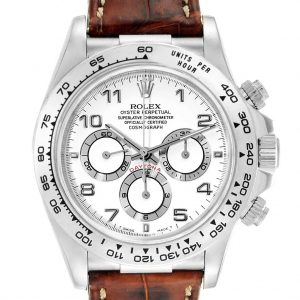
Luxury watches occupy a unique space between personal enjoyment and financial asset. Few models illustrate this better than the swiss Rolex Daytona. Known for its motorsport heritage, distinctive chronograph design, and strong collector demand, the Daytona is often discussed as one of the most desirable watches in the world.

However, buying a Daytona solely because of its reputation can be a mistake. A watch’s long-term value depends on multiple factors, including condition, originality, purchase price, market demand, and how well it suits the owner’s lifestyle. In many cases, another Rolex collection may be a better fit despite receiving less attention from investors and collectors.
This guide takes a closer look at the Rolex Daytona, examines its investment appeal, and compares it with the Datejust, Day-Date, and GMT-Master II to help buyers make a more informed decision.
Why the Rolex Daytona Attracts Collectors and Investors
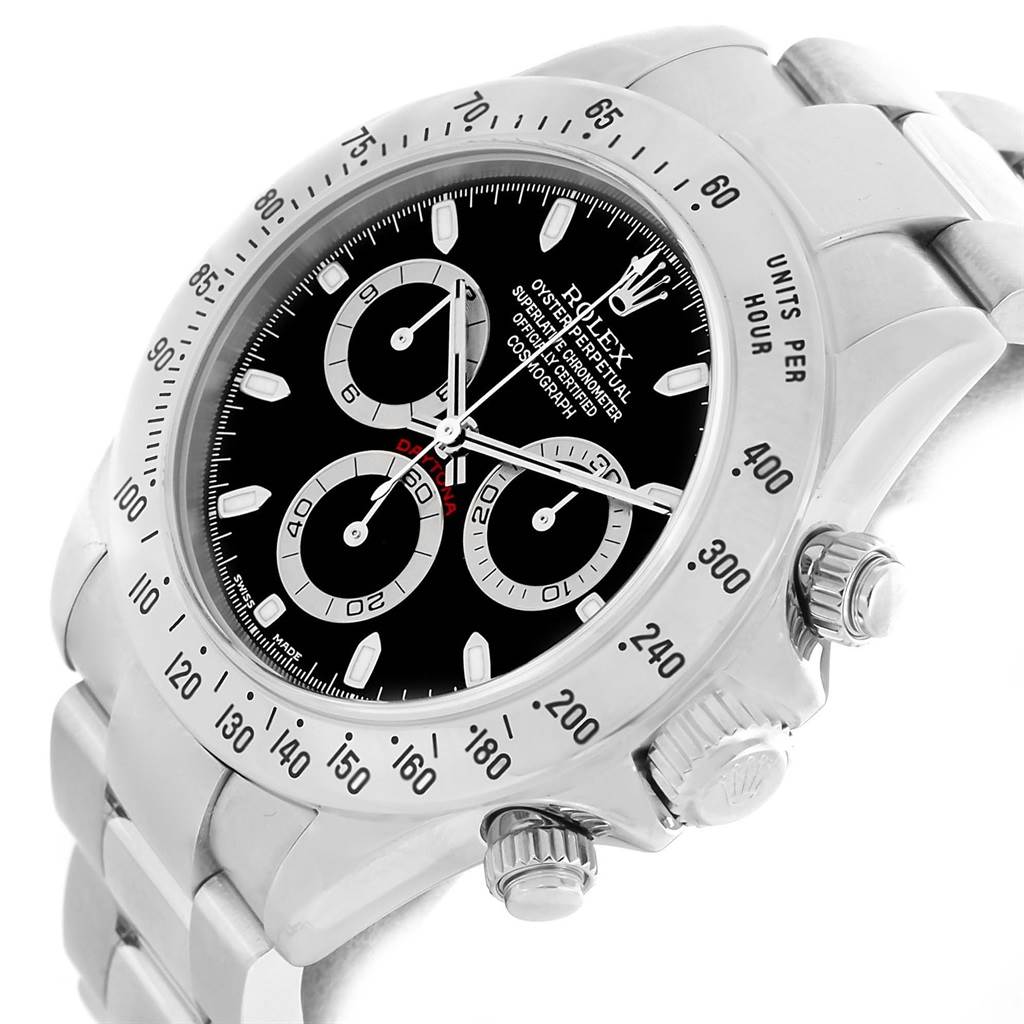
The Rolex Cosmograph Daytona was introduced in 1963 as a tool watch designed for professional racing drivers. Its chronograph function allows users to measure elapsed time, while the tachymeter bezel can calculate average speed over a fixed distance. Over the decades, the model evolved from a specialized racing instrument into one of Rolex’s most sought-after collections.
Several factors contribute to the Daytona’s enduring popularity:
Strong association with motorsport culture
Recognizable chronograph layout with three subdials
Long production history with numerous collectible references
Consistent demand from enthusiasts worldwide
Relatively limited availability at authorized retailers
These qualities have helped the Daytona maintain strong market interest across multiple generations. Yet popularity alone does not guarantee investment success. Buyers should evaluate each watch individually rather than assuming every Daytona will appreciate in value.
The Daytona’s Design and Technical Appeal
Part of the Daytona’s appeal comes from its ability to balance functionality with timeless design. The Oyster case, screw-down chronograph pushers, and fixed bezel create a profile that remains immediately recognizable even to casual watch enthusiasts.
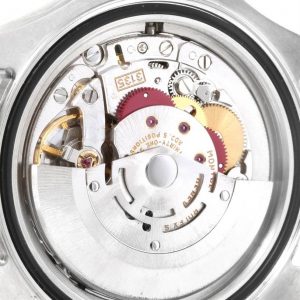
Modern Daytona models use Rolex’s in-house chronograph movements, which are known for reliability, precision, and durability. Current references feature the Calibre 4131, while previous generations used the highly regarded Calibre 4130.
Beyond technical specifications, the Daytona benefits from a design that has remained remarkably consistent. While Rolex has refined materials, movements, and proportions over time, the overall identity of the watch has never been dramatically altered. This continuity helps maintain collector confidence and supports long-term desirability.
Understanding Daytona References and Materials
Not all Daytona models offer the same ownership experience. Reference numbers, materials, dial configurations, and bracelet choices can significantly affect both wearability and market demand.
Stainless Steel Daytona Models
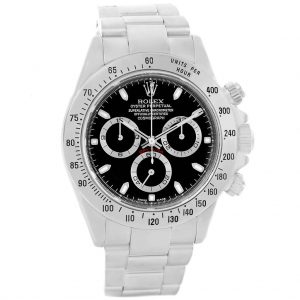
Steel Daytonas have traditionally attracted the strongest collector interest. References such as the 116500LN and the current 126500LN are particularly well known because they combine everyday practicality with the iconic Daytona design.
For many buyers, stainless steel offers the best balance between durability, versatility, and long-term liquidity in the secondary market.
Gold and Everose Daytona Models
Yellow gold and Everose gold versions deliver a more luxurious presence on the wrist. These models often appeal to buyers who prioritize exclusivity and visual impact over maximum resale demand.
Everose gold, Rolex’s proprietary rose-gold alloy, offers a warmer and more contemporary appearance than traditional yellow gold.
Oysterflex Daytona Models
The Oysterflex bracelet combines the appearance of a rubber strap with the durability of a metal blade structure beneath. These references provide a more casual wearing experience while retaining the prestige of a precious-metal Daytona.
Platinum Daytona Models
Platinum Daytonas occupy the top end of the collection. Their distinctive ice-blue dials, substantial weight, and limited production make them particularly attractive to experienced collectors seeking rarity and exclusivity.
Why Hands-On Evaluation Matters
Specifications tell only part of the story. Case weight, bracelet comfort, dial legibility, and overall wrist presence can dramatically influence ownership satisfaction. Whenever possible, buyers should handle multiple references before making a decision rather than relying solely on photographs or online reviews.
Is the Daytona the Best Rolex for Everyday Wear?
The answer depends on how the watch will be used.
The Daytona excels as a luxury sports chronograph, but its strengths may not align with every owner’s daily needs. Someone who rarely uses a chronograph function may find more practical value in another Rolex collection.
Comparing the Daytona with other popular Rolex models helps clarify where each collection excels.
Rolex Datejust: The Most Versatile Daily Wear Option
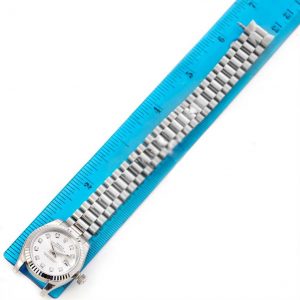
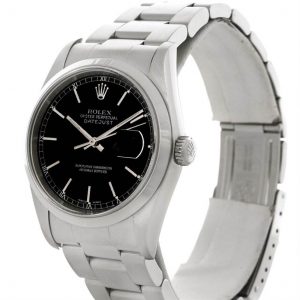
Introduced in 1945, the Rolex Datejust remains one of the brand’s most adaptable watches. Unlike the Daytona, its primary focus is everyday functionality rather than specialized timing capabilities.
Key advantages include:
- Date display for daily convenience
- Wide range of sizes and configurations
- Multiple bracelet and bezel options
- Suitable for both formal and casual settings
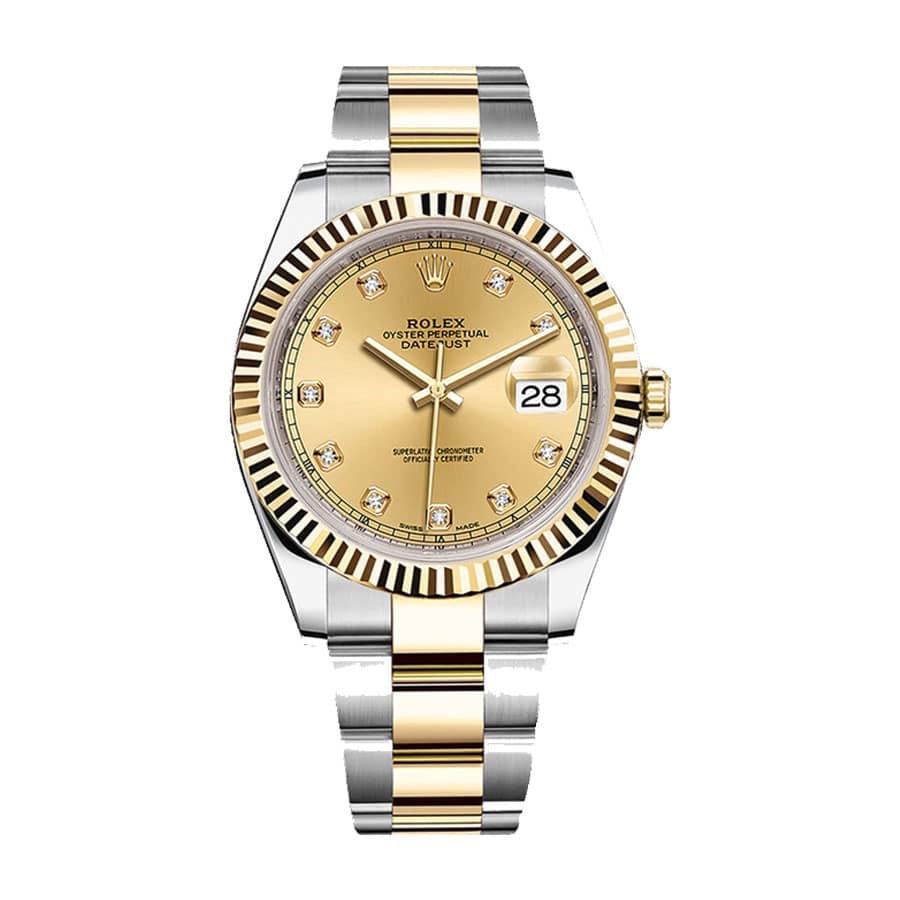
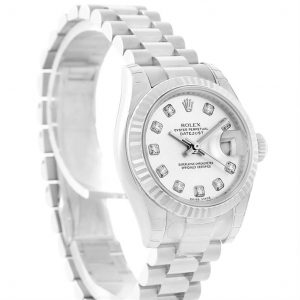
A smooth-bezel steel Datejust offers understated versatility, while a fluted bezel paired with a Jubilee bracelet creates a more traditional Rolex aesthetic. Two-tone and diamond-set models provide additional options for buyers seeking a more luxurious appearance.
For many owners, the Datejust ultimately receives more wrist time than a Daytona because it integrates seamlessly into a wider variety of situations.
Rolex Day-Date: Prestige and Precious Metals
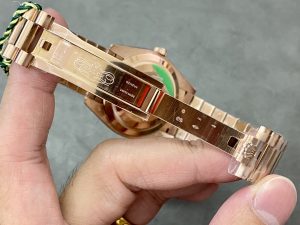
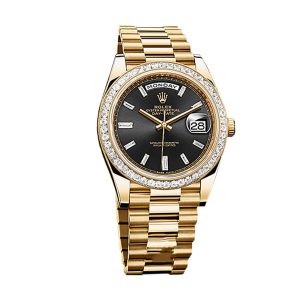
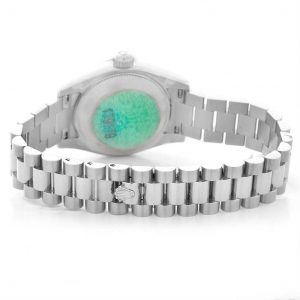
The Rolex Day-Date, introduced in 1956, occupies a distinct position within the Rolex lineup. Often referred to as the “President,” it was the first wristwatch to display both the day of the week and the date in full.
Unlike the Daytona, the Day-Date is produced exclusively in precious metals, including:
- Yellow gold
- White gold
- Everose gold
- Platinum
The collection prioritizes refinement, craftsmanship, and presence rather than sporting functionality.
A gold Day-Date can make a strong statement in professional and formal environments, while white-gold and platinum versions offer a more understated expression of luxury. Buyers considering this collection should focus less on investment potential and more on whether the watch aligns with their personal style and lifestyle.
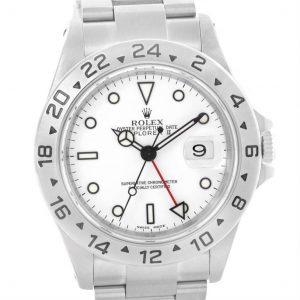
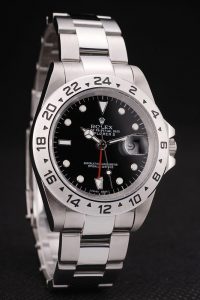
Rolex GMT-Master II: The Practical Choice for Travelers
For frequent travelers and international professionals, the GMT-Master II often provides greater practical utility than the Daytona.
The watch features:
- A second time-zone display
- An independently adjustable local hour hand
- A rotating 24-hour bezel
- A date function
These features allow users to track multiple time zones simultaneously, making the GMT-Master II particularly useful for global business and travel.
Its distinctive two-color bezels have also become highly recognizable among collectors. However, buyers should avoid choosing a model solely because a particular bezel color is currently popular. Long-term satisfaction typically comes from functionality and personal preference rather than short-term market trends.
What Determines a Rolex Watch’s Investment Performance?
While some Rolex models have performed well historically, no watch should be viewed as a guaranteed investment.

| Factor | Why It Matters |
|---|
| Condition | Sharp case lines and minimal wear are generally preferred by collectors. |
| Originality | Factory-original parts often command stronger interest than modified examples. |
| Service History | Proper maintenance can improve buyer confidence. |
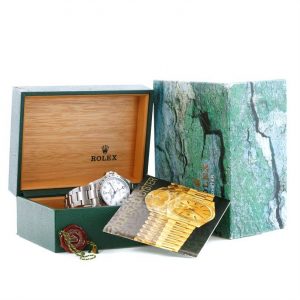
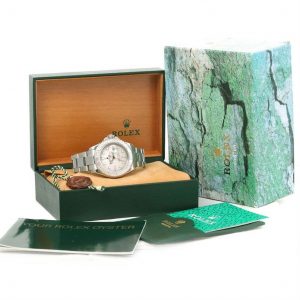
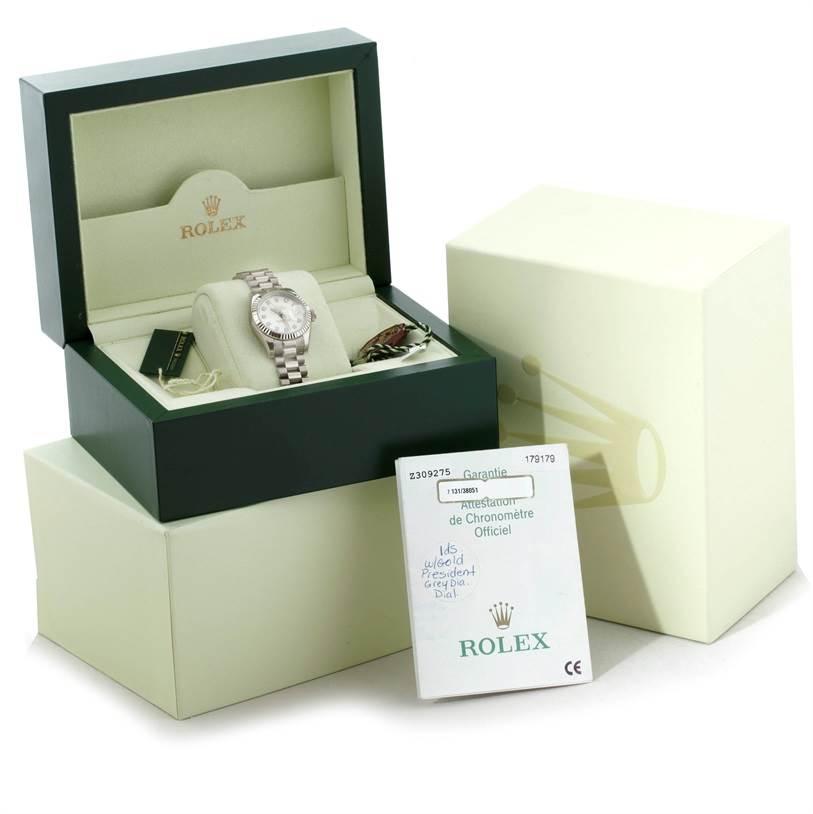
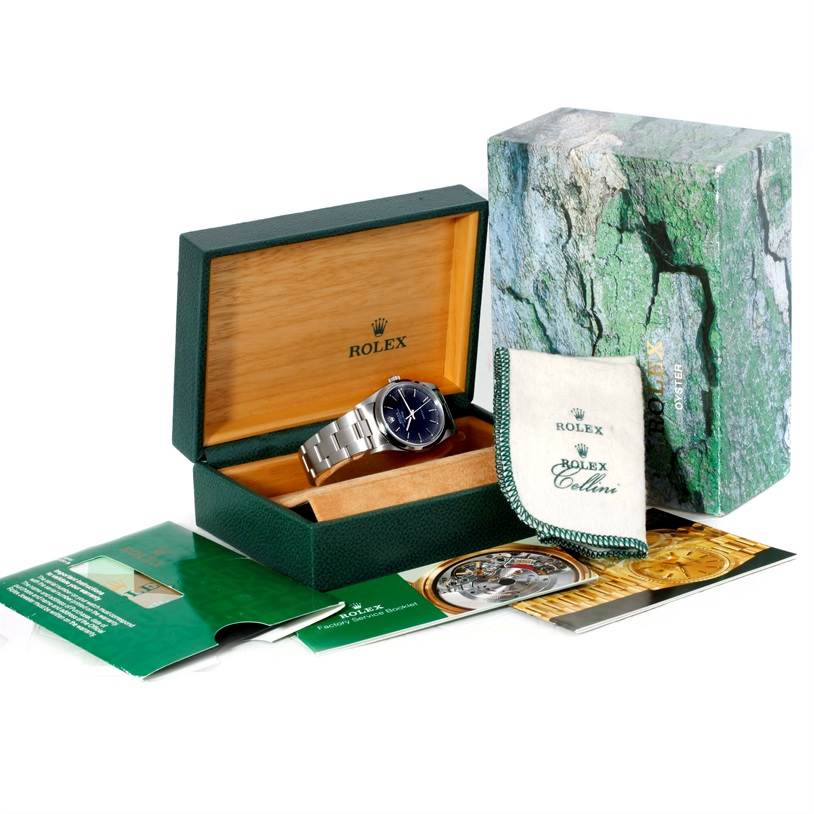
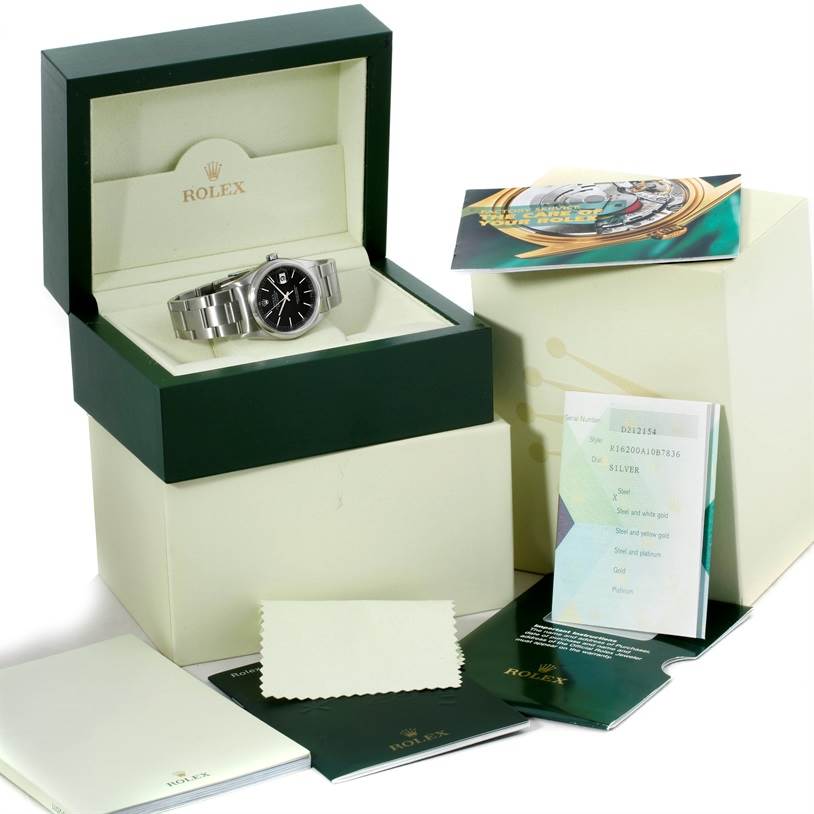
| Completeness | Original box, papers, and accessories may enhance marketability. |
| Rarity | Less common references and configurations often attract stronger demand. |
| Purchase Price | Even desirable models can underperform if purchased at inflated prices. |
Broader economic conditions also affect the luxury watch market. Interest rates, consumer spending, and shifts in collector preferences can all influence pricing trends.
As a result, buyers should view appreciation as a possibility rather than an expectation.
Balancing Ownership Value and Financial Value
One of the most common mistakes in luxury watch collecting is focusing exclusively on future resale potential.
A watch that perfectly suits its owner’s lifestyle often delivers greater overall value than a theoretically stronger investment that spends most of its time in a safe. The Daytona’s reputation can sometimes overshadow this reality.
For example:
- A business professional may benefit more from a versatile Datejust.
- A frequent traveler may prefer the GMT-Master II.
- A buyer seeking prestige and precious-metal craftsmanship may gravitate toward the Day-Date.
- A motorsport enthusiast may find the Daytona uniquely satisfying.
The best choice depends on the problem the watch is meant to solve.
The Rolex Daytona remains one of the most influential and desirable luxury sports watches ever produced. Its racing heritage, recognizable design, sophisticated chronograph movement, and enduring collector demand give it a unique position within the Rolex portfolio.
However, its popularity should be the starting point of the evaluation rather than the conclusion. The most successful watch purchases are typically those that balance personal enjoyment, practical use, market awareness, and realistic expectations.
Whether you ultimately choose a Daytona, Datejust, Day-Date, or GMT-Master II, the goal should be to find a watch that fits your lifestyle, budget, and long-term ownership goals. If market appreciation follows, it should be viewed as an additional benefit rather than the primary reason for buying the watch.